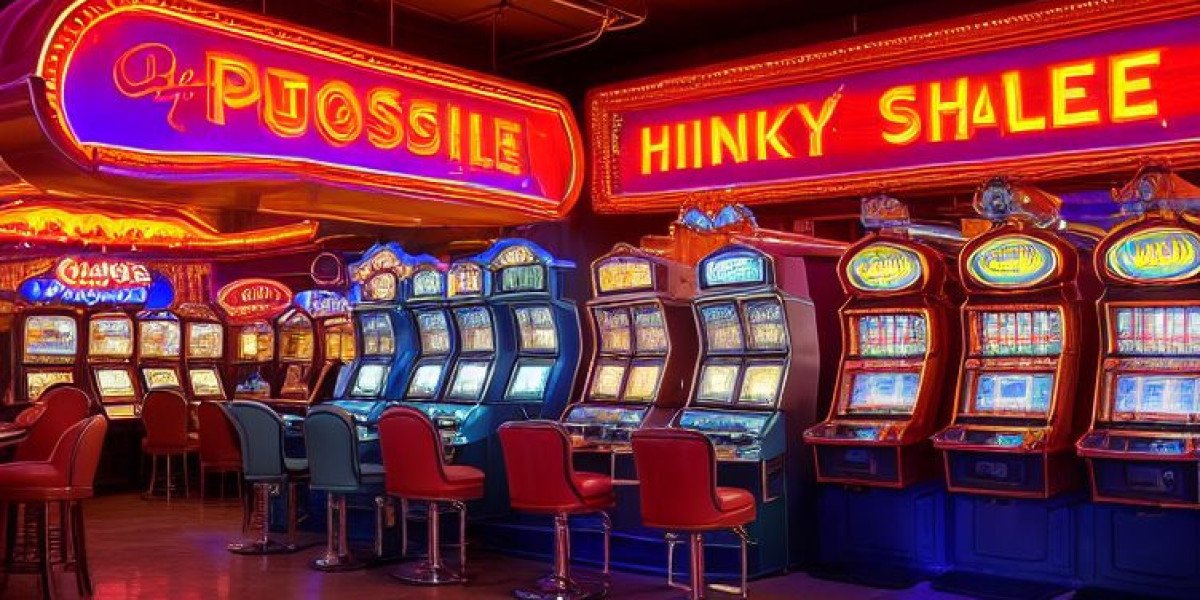
Introduction to the Story of Las Vegas
Today, Las Vegas is a glittering metropolis of flashing lights, massive resorts, and endless casinos. But this global entertainment capital started as a small, dusty stop in the middle of nowhere. Originally founded in 1905, the town served as a minor railroad hub with water wells. The city's evolution involves legal changes, massive engineering projects, and legendary characters. This guide details the major eras that shaped Las Vegas from the 1930s to the modern day.
How Legal Gambling and the Dam Shaped the City
Two major events occurred in 1931 that forever changed the path of Las Vegas. First, Nevada lawmakers legalized casino gaming in an effort to boost the local economy. Around the same time, the federal government began building the nearby Hoover Dam. These workers spent their wages in the local clubs, fueling the growth of early casinos. The early casinos opened on Fremont Street, creating the first downtown entertainment district.
Key Eras in the Evolution of Las Vegas
The growth of Las Vegas can be divided into three distinct historical periods:
- The Mob Era: Organized crime figures built luxury hotel-casinos like the Flamingo in the 1940s and 50s.
- The Corporate Takeover: Megacorporations replaced organized crime in the 1970s, listing casinos on Wall Street.
- The Megaresort Era: The opening of the Mirage in 1989 started the era of giant, family-friendly resorts.
For a quick look at the key moments in the history of the Las Vegas Strip, check this table:
| Vegas Era | Key Casino Properties | How It Was Built | Main Attraction Style |
|---|---|---|---|
| The Fremont Street Beginnings | Fremont Street halls | Local merchants and railroad capital | Basic table games, card rooms, and simple slot machines in dusty saloons |
| The Mob Era | The Flamingo and Sands hotel-casinos | Organized crime syndicates using cash from illegal operations across the US | High-stakes gambling, luxury showrooms, and headliners like the Rat Pack |
| The Megaresort Era | The Mirage, Bellagio, Caesars Palace, Wynn | Corporate hotel chains | Massive themed resorts, luxury shopping malls, nightclubs, and world-class dining |
The Rise of the Strip and the Corporate Takeover
Although downtown Las Vegas was popular, the highway to Los Angeles offered more room to grow. The opening of the Flamingo in 1946 marked the beginning of high-end resort tourism on the Strip. For the next two decades, the mafia funded and controlled most of the major hotel-casinos on the Strip. This changed when billionaire Howard Hughes arrived, buying multiple casinos and pushing out the mob. This corporate shift made the casinos legitimate, leading to massive investments and global tourism.
Summary of Las Vegas Evolution
Ultimately, Las Vegas remains the ultimate symbol of American gambling, luxury, and tourism. By shifting from mob rule to corporate megaresorts, the city has expanded its global appeal. Make sure to check out historic downtown, manage your casino (https://captain-cooks.com/) budget, and enjoy the neon lights.